
QASHQAI & TRIBAL
Traces of the Nomadic Spirit in Persian Rugs
Qashqai · Bakhtiari · Afshar
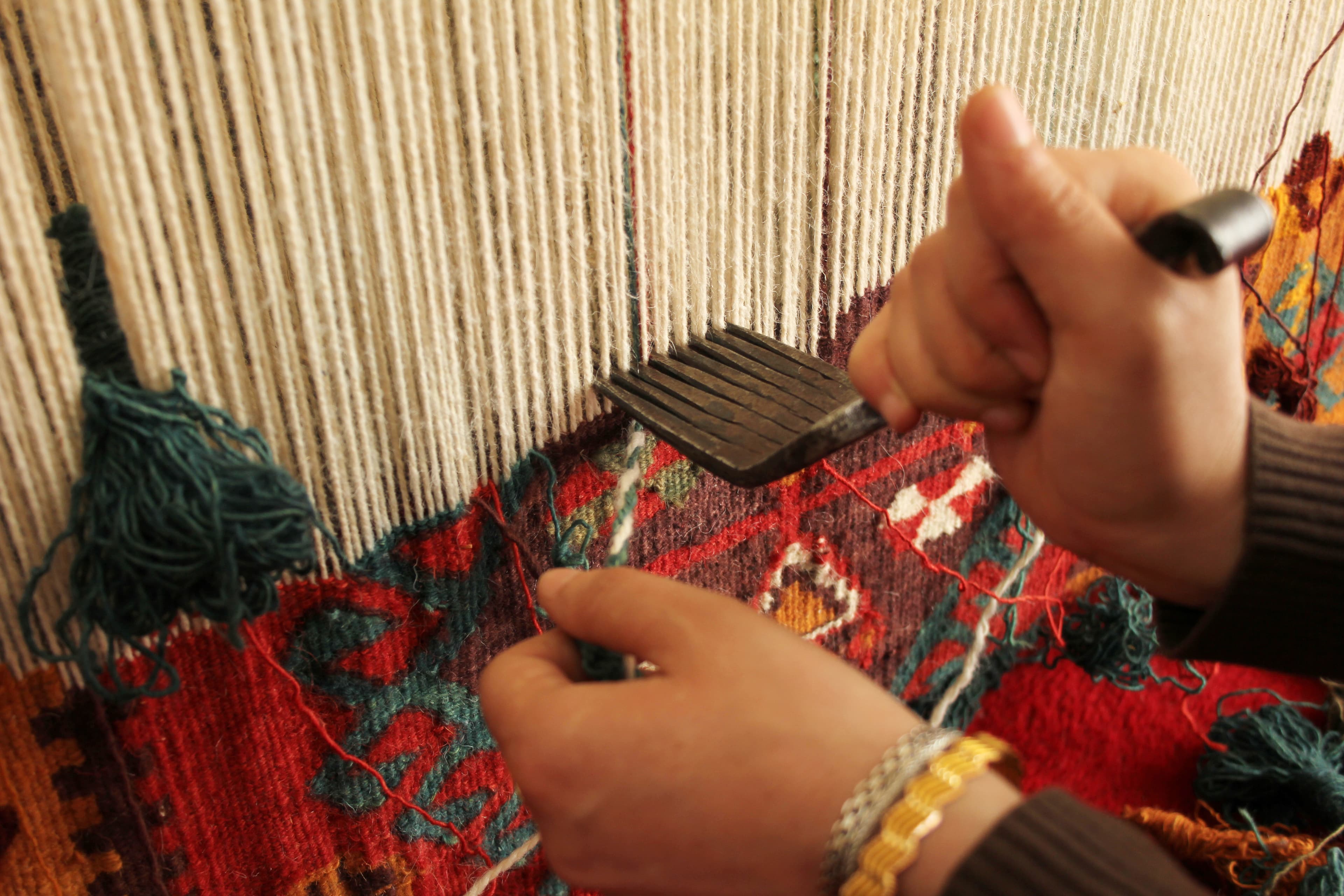
One of the most authentic and captivating expressions of Persian rug art can be found in the rugs woven by nomadic communities. These rugs are far more than floor coverings; they are woven narratives of nature, migration, everyday life, beliefs, and memories passed down through generations. In southwestern Iran, particularly in Fars Province and the Zagros Mountains, rich weaving traditions developed among nomadic and semi-nomadic communities. The Qashqai, Lurs, Khamseh, and Afshar are among the groups whose rugs reflect distinctive artistic languages and cultural traditions. Art That Travels with the Nomads Nomadic life is shaped by movement and the changing seasons. Families, tents, and herds traditionally moved between summer and winter pastures. As a result, their weaving looms also needed to be light, practical, and portable. Rugs were often woven for the family's own use, while they could also become part of a dowry, a gift, or an item of trade. Wool was frequently obtained from the family's own animals, then spun and dyed using natural sources. For this reason, nomadic rugs reveal a direct connection between life, nature, and art.
Every Knot Tells a Lifetime
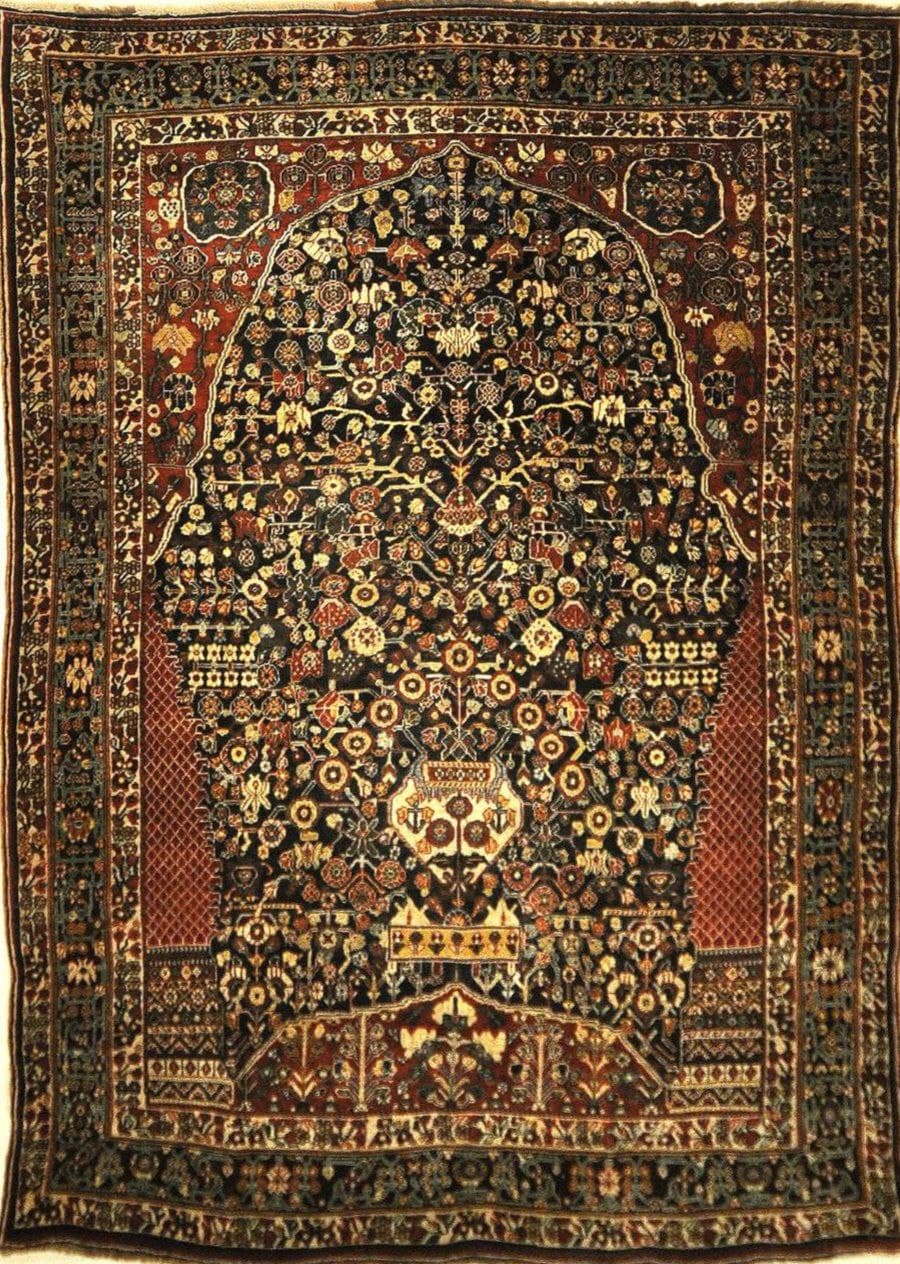
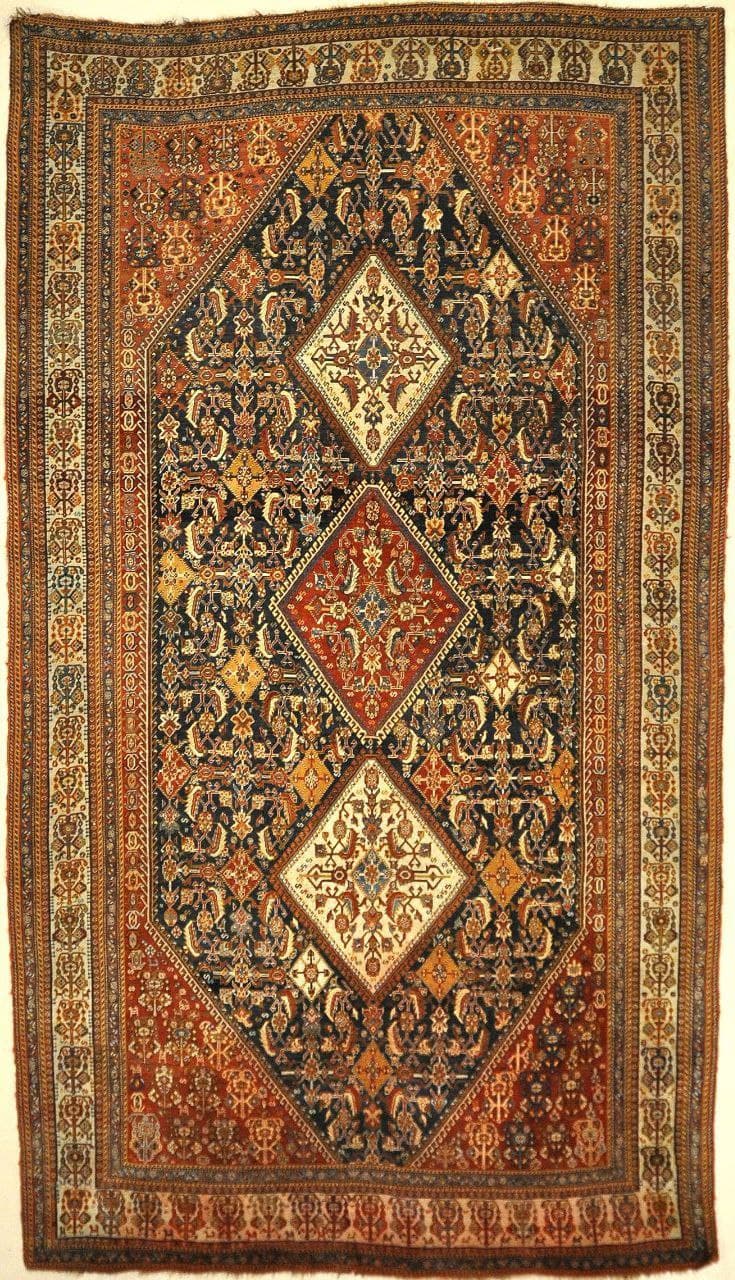
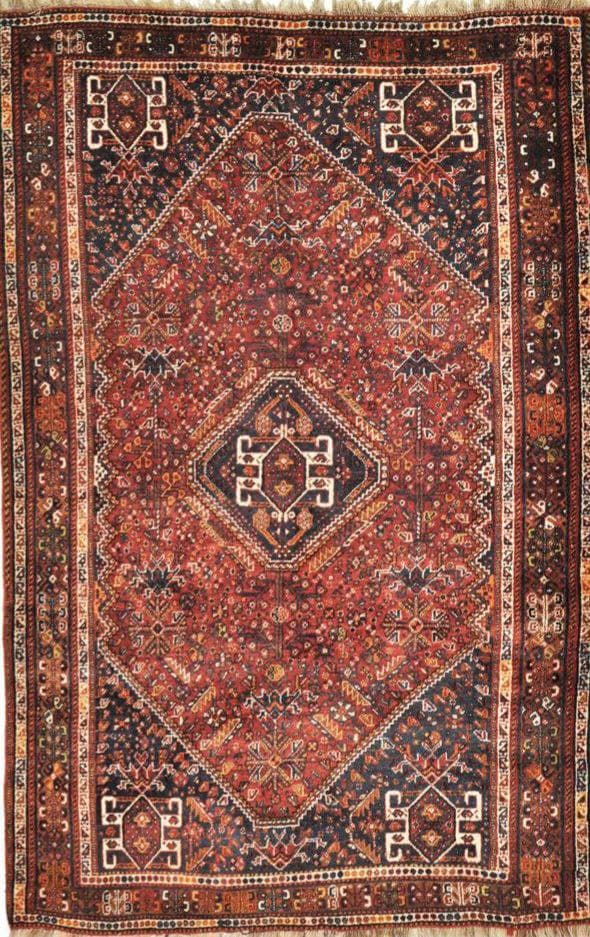
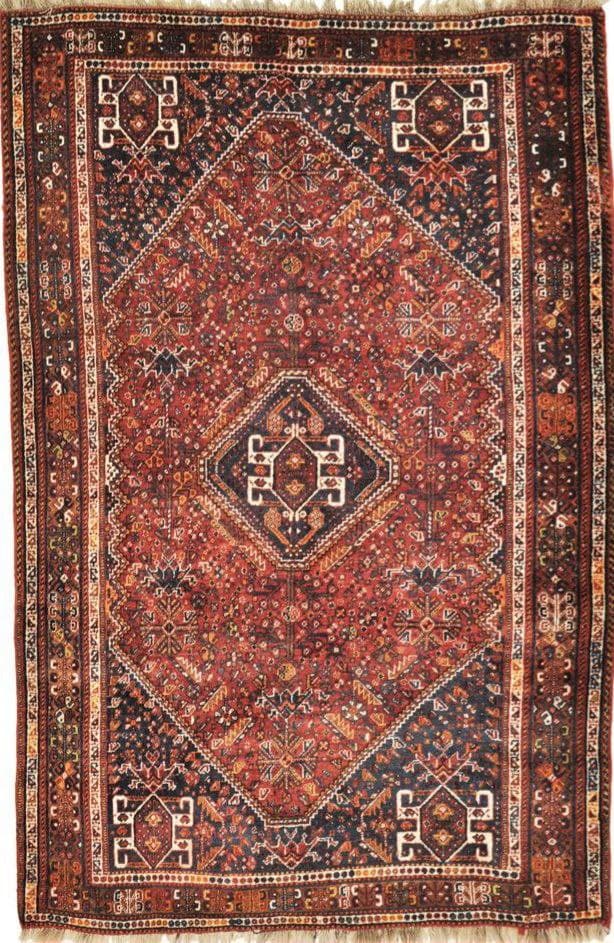
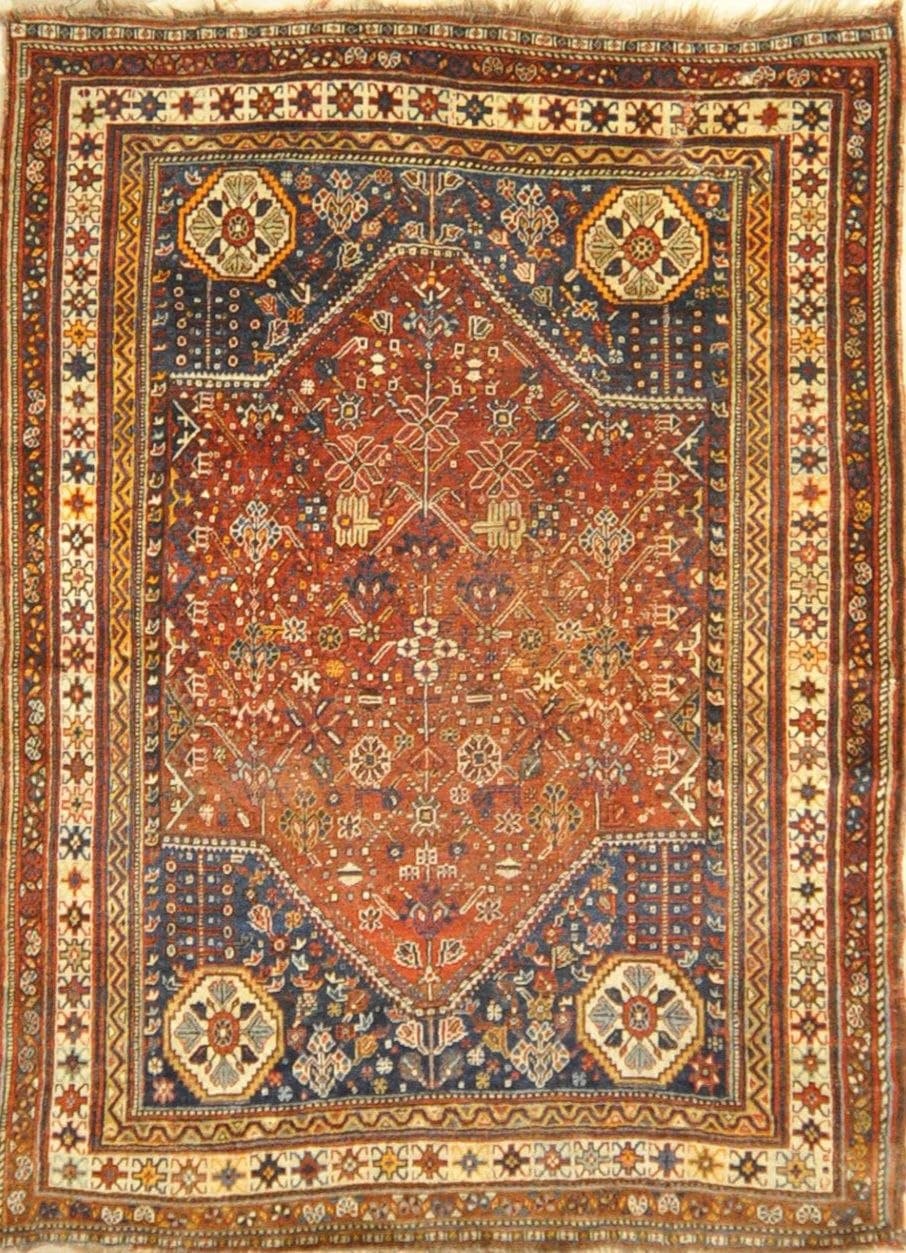
Stories Hidden Within the Motifs The motifs found in nomadic rugs are among their most fascinating characteristics. Diamonds, geometric medallions, stars, flowers, trees, birds, and animals such as goats, horses, and lions may reflect the weaver's surroundings, beliefs, experiences, and cultural memory. In many Qashqai rugs, numerous small and varied motifs are arranged together to create compositions that feel spontaneous and dynamic. Because many designs were traditionally passed down through memory and oral tradition, each weaver could introduce a personal interpretation into the composition. As a result, even two rugs with similar designs are rarely exactly alike. Every rug carries the signature of the hands and imagination of its weaver. Colors Inspired by Nature Color in nomadic rugs is closely connected to the natural environment. Madder red, indigo and deep blue, yellow, brown, ivory, and the natural shades of undyed wool are among the colors frequently found in these textiles. In antique rugs, the passage of time adds another dimension to these colors. Natural variations in tone, the gentle sheen of aged wool, and the patina created through decades of use can give a rug remarkable depth and character.
Beauty in Imperfection In many urban Persian rugs, designs are carefully planned and executed according to established patterns. Nomadic weaving, however, often developed through memory, tradition, and personal experience. Subtle asymmetries, small variations in motifs, and slight changes in color are therefore natural characteristics. These are not imperfections. They are signs of craftsmanship, individuality, and the human hand behind the rug. A motif may appear slightly different, a medallion may not be perfectly centered, or a familiar pattern may appear elsewhere in a different color. These small variations are precisely what give a nomadic rug its character. Qashqai Rugs: A Powerful Expression of the Nomadic Spirit One of the most renowned weaving traditions of Iran's nomadic communities belongs to the Qashqai people of Fars and the Zagros region. Qashqai rugs are often recognized for their combination of geometric designs, diamond-shaped medallions, floral motifs, and, in some examples, stylized animal and symbolic figures. Groups such as the Kashkuli are particularly known for the refinement and quality found in some of their woven textiles. Historically, many of these rugs entered regional and international trade through markets in southern Iran, particularly Shiraz. Consequently, some nomadic rugs from the region became known in international markets under the broader name of “Shiraz rugs.” The Rug as a Woven Memory When we look at a nomadic rug, we see more than a composition of patterns and colors. We see a fragment of a way of life: the migration routes, the landscape, the animals, the changing seasons, the family, and the symbols passed from one generation to another. Every knot holds a memory. Every motif carries a meaning. Every color belongs to a landscape. And every rug tells a story of life. From this perspective, antique and traditional nomadic Persian rugs are not merely decorative objects. They are an important part of the cultural and artistic heritage of Iran's nomadic communities. The Nomadic Spirit in One Sentence A nomadic rug is not simply an artwork spread across the floor; it is the journey and life of a people, woven into its warp and weft.
QASHQAI & TRIBAL
Three Great Nomadic Traditions
Fars Province, Iran
Qashqai
One of Iran's largest nomadic tribes, the Qashqai migrated twice yearly across the vast steppes between the Zagros Mountains and the Persian Gulf. The vivid colors and bold geometric medallions of their carpets reflect the beauty of this demanding life.
Chahar Mahal & Bakhtiari, Iran
Bakhtiari
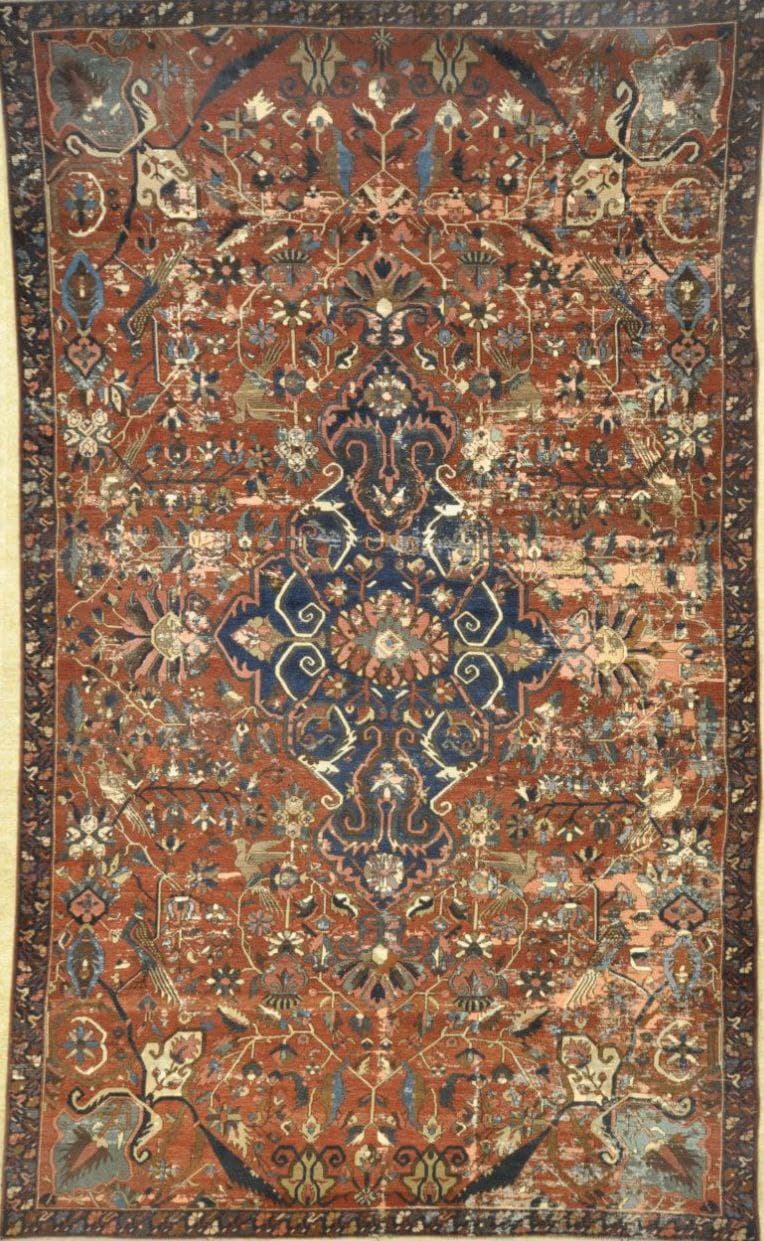
Bakhtiari carpets are recognized by their famous 'char bagh' (four gardens) motif: the field is organized in compartmentalized floral panels, each presenting a different garden scene. This design is a symbolic reflection of the paradise gardens that nomads longed for.
Kerman, South Iran
Afshar
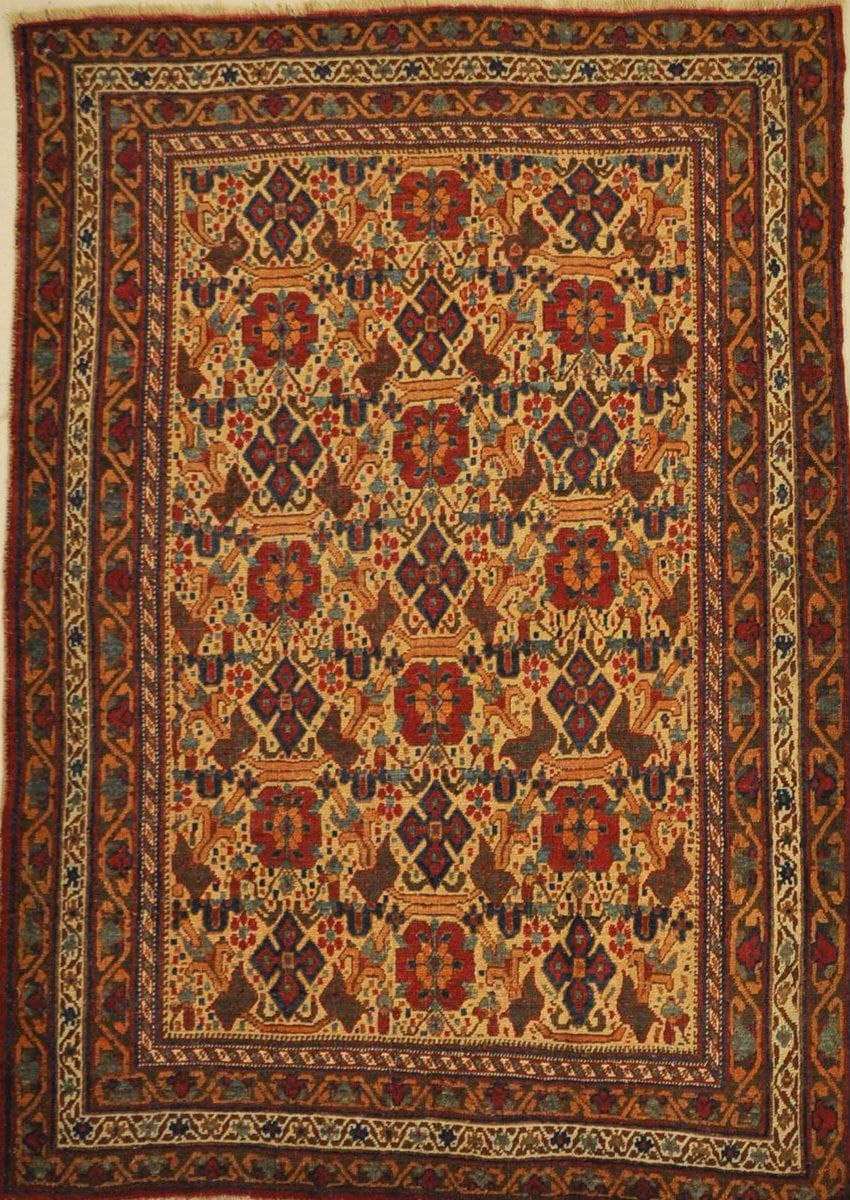
Afshar carpets are a unique blend of Turkish and Iranian weaving traditions. Usually produced in square or hexagonal formats, these carpets bring together medallion, floral, and animal motifs in asymmetric balance. Limited production volumes make these carpets extremely valuable for collectors.